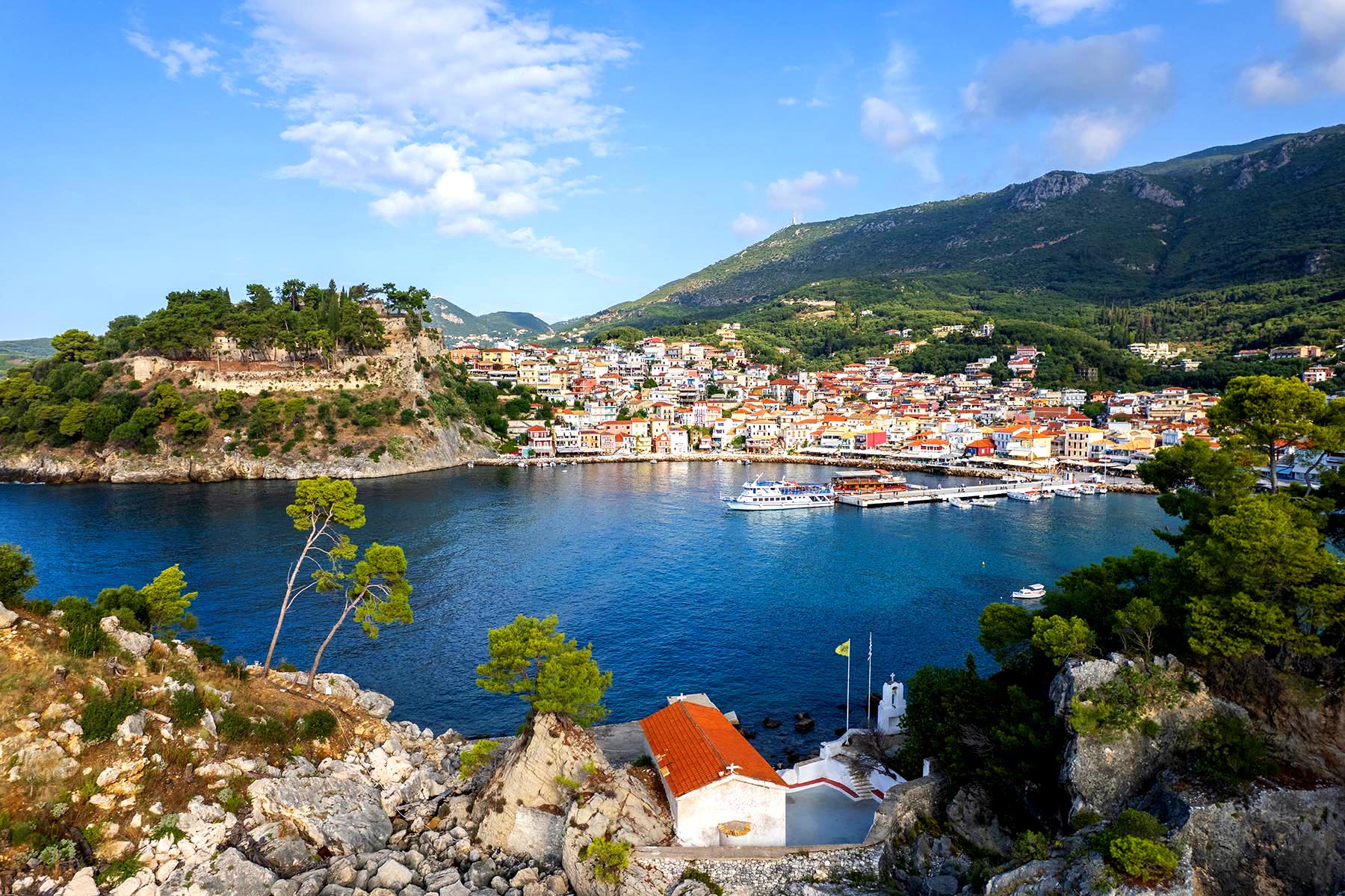
Parga is a destination steeped in history, shaped by the Venetians, French, and British. Every corner holds memories of centuries of resilience, maritime tradition, and cultural heritage.

Venetian Castle of Parga
Venetian Era • 11th - 18th Century

The Venetian Castle of Parga

Dominating a rocky hill overlooking the harbor entrance, the castle was originally built in the 11th century by locals to defend against pirate raids. Substantially reinforced by the Venetians in 1572, it gained the iconic structure seen today, serving as an impregnable fortress and administrative center.
Parga Center Open all day
Anthousa Castle Ali Pasha
Ottoman Era • 1814

Castle of Anthousa (Ali Pasha)

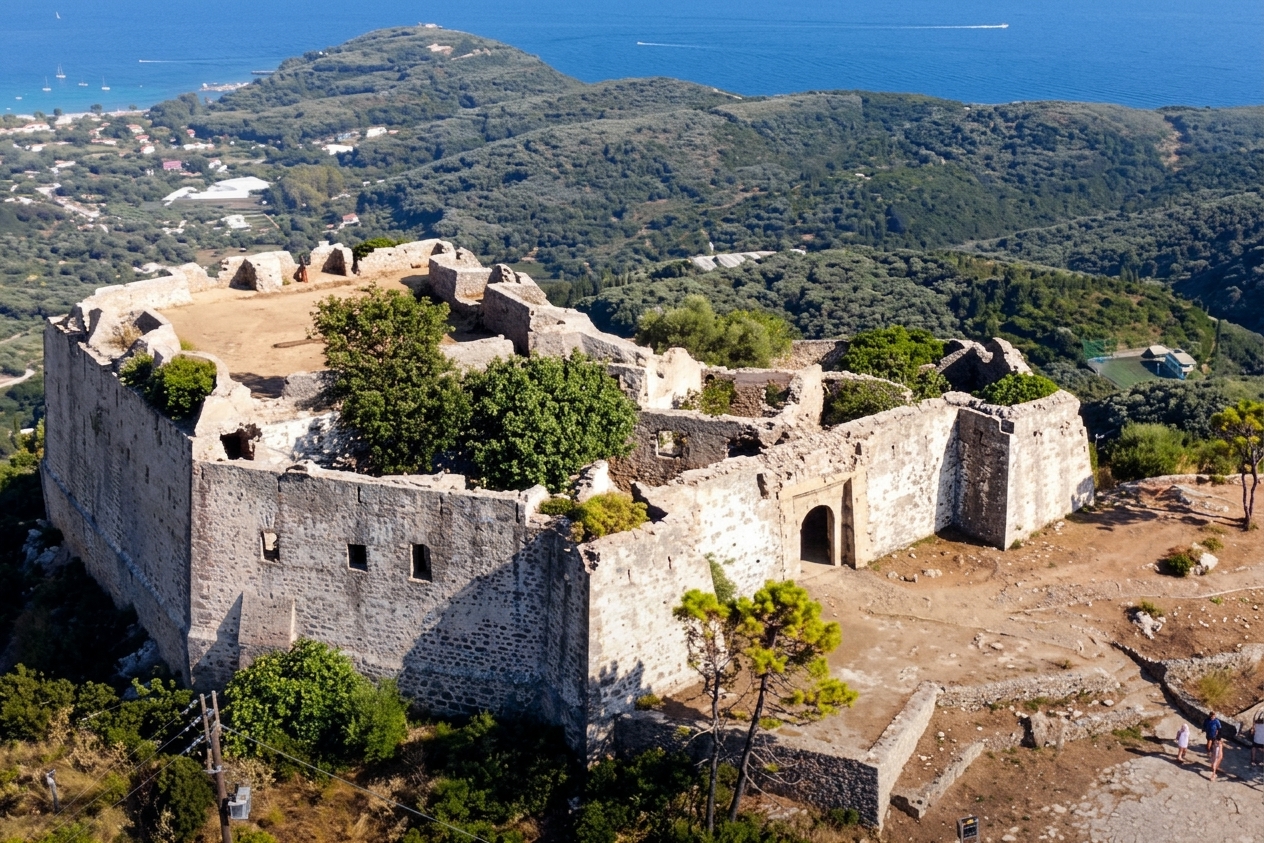
Perched on a hilltop between Anthousa and Agia, this fortress was commissioned by Ali Pasha of Ioannina in 1814. It was designed to monitor and besiege the defiant town of Parga. Today, it remains remarkably well preserved and offers breathtaking panoramic sunset views.

Anthousa (~5 km) Sunset Viewpoint
Panagia Island
Religious Heritage

Panagia Island

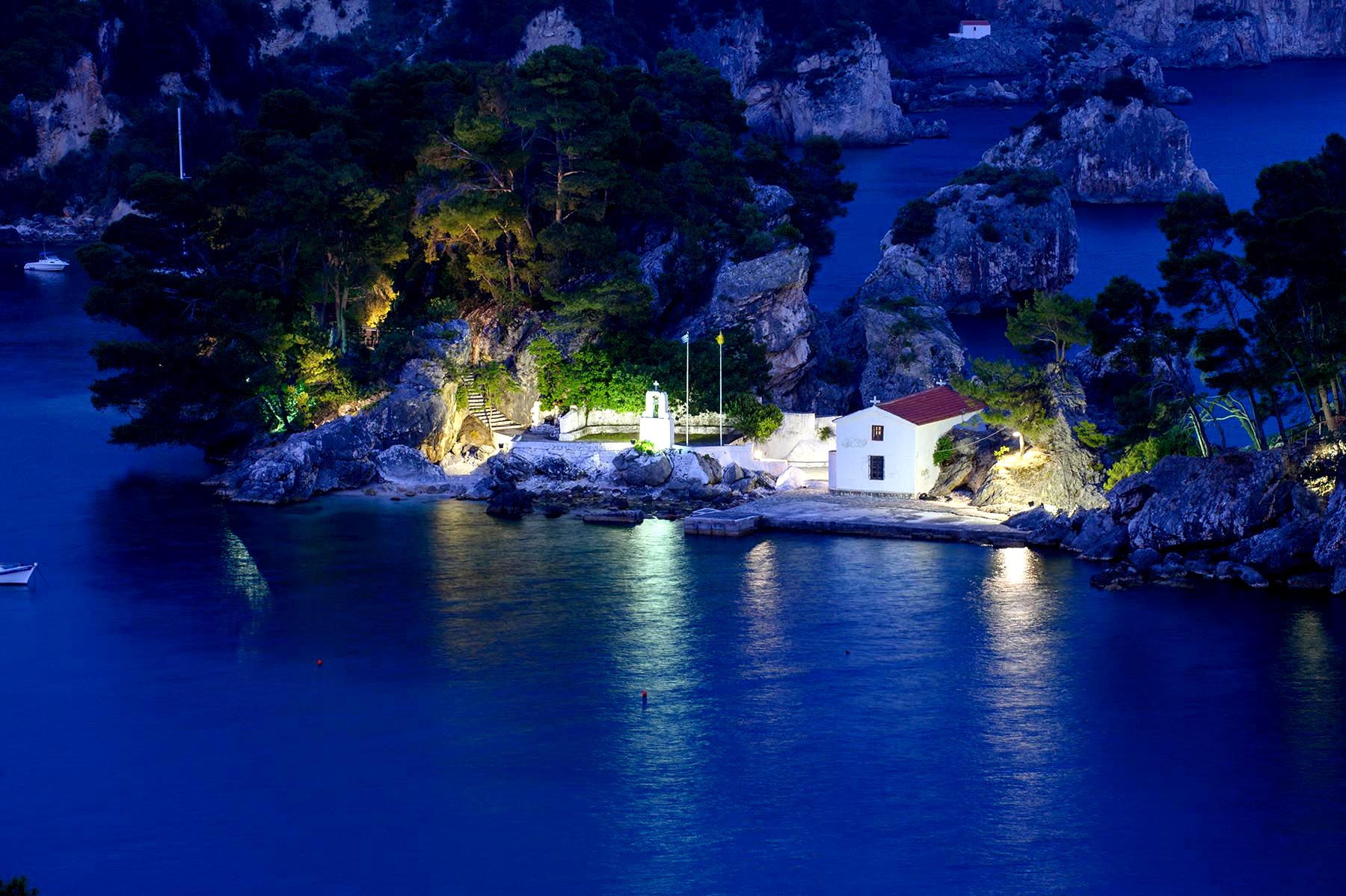
Located directly opposite Parga's harbor lies the lush green islet of Panagia. It features the picturesque Chapel of the Virgin Mary alongside a small French outpost constructed in 1808 by the French garrison to oversee maritime traffic in the bay.

Access by boat/swimming Chapel & Outpost
Necromanteion of Acheron
Ancient Greece • 4th Century BC

Necromanteion of Acheron

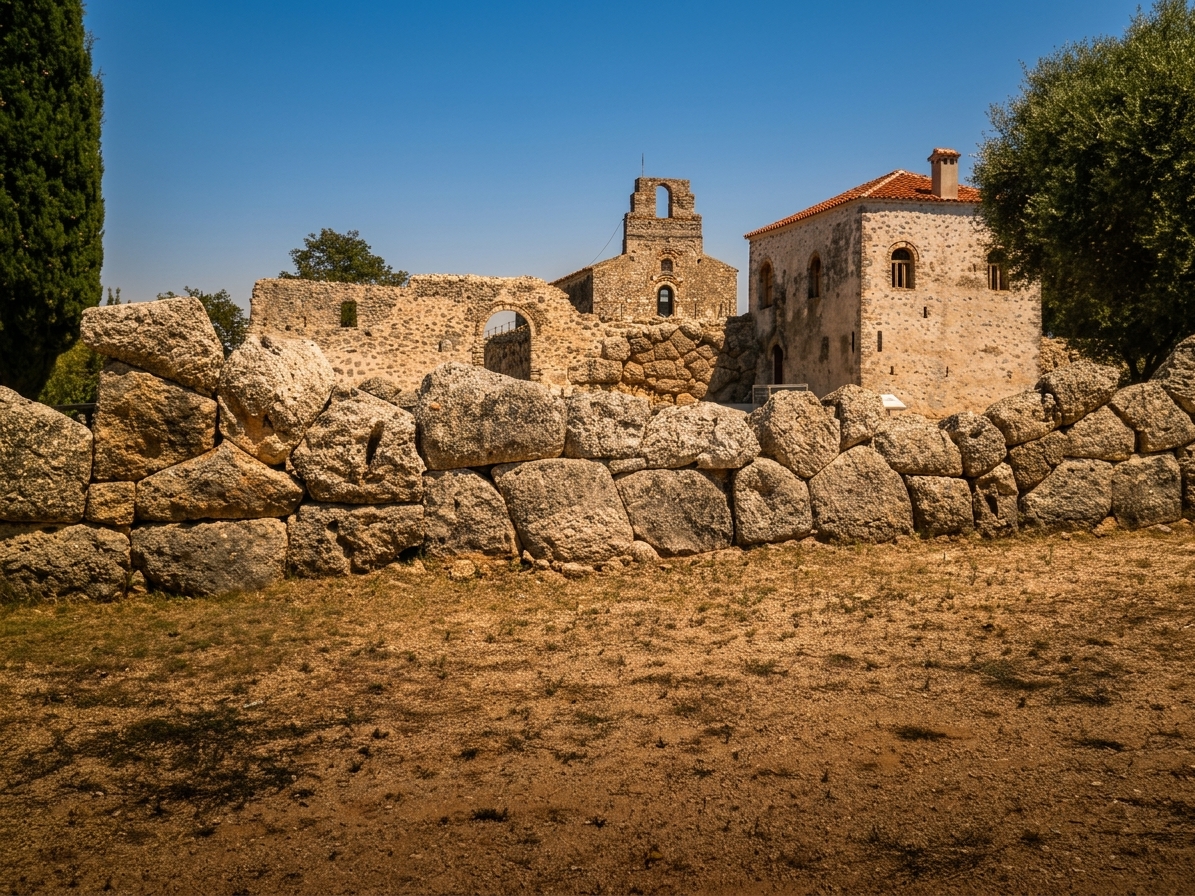
The most famous sanctuary of the dead in the ancient Greek world lies near Mesopotamos, by the mouth of the Acheron River. In antiquity, pilgrims traveled here to communicate with the souls of the deceased and seek prophecies for their future.

Mesopotamos (~20 km) Archaeological Site